

Best AI Customer Support Tools 2026-05-31 for Beginners
Choosing your first AI customer support tool can feel confusing, especially if you are comparing chatbots, help desk automation, and AI writing assistants at the same time. This beginner-friendly guide explains what to look for, how to compare options, and when a subscription-style AI offer may make sense.
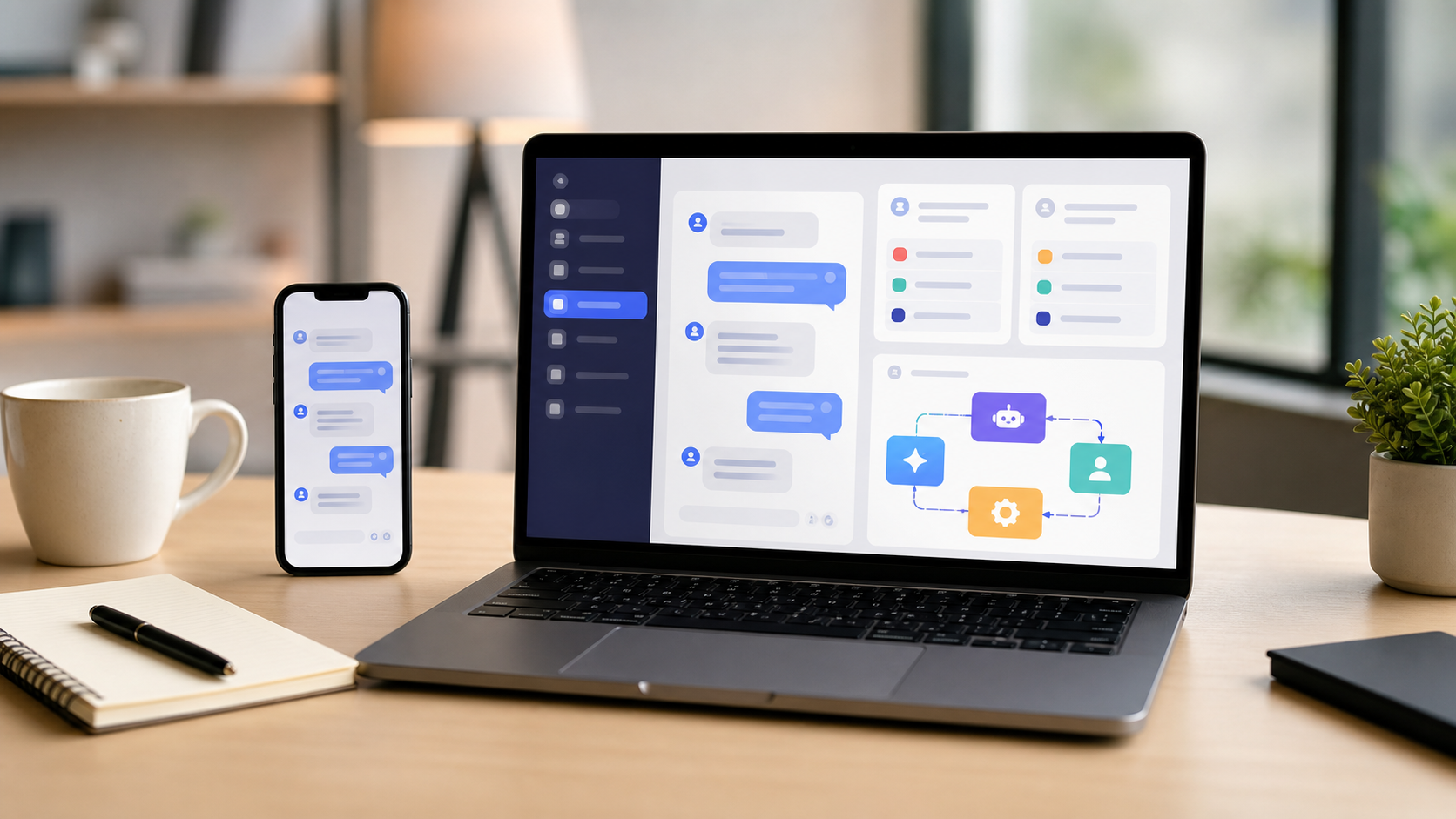
What beginners should look for in AI customer support tools
The best AI customer support tools for beginners are usually the ones that reduce repetitive work without forcing your team to rebuild its entire support process.
Look for features such as:
- Easy setup: A simple onboarding flow, templates, or guided configuration.
- Knowledge base support: The ability to answer questions from FAQs, help docs, policies, or product information.
- Human handoff: A clear way to send difficult or sensitive conversations to a real support agent.
- Conversation history: Useful logs so you can review answers and improve them over time.
- Tone controls: Settings that help keep replies polite, consistent, and on brand.
- Basic analytics: Reporting on common questions, response quality, and unresolved issues.
Beginners should be cautious with tools that promise fully autonomous support without explaining how review, escalation, or quality control works. AI can help with support efficiency, but most teams still need human oversight.
Common types of AI support tools
AI customer support tools are not all the same. Before choosing one, decide which category fits your current needs.
AI chatbots
These tools answer customer questions through a chat widget or messaging interface. They are often useful for FAQs, order questions, appointment information, and basic troubleshooting.
AI help desk assistants
These work inside support inboxes or ticketing systems. They may summarize tickets, draft replies, suggest next steps, or tag conversations.
AI knowledge base tools
These help create, organize, or improve help articles. They can be useful if your support team spends a lot of time answering the same questions repeatedly.
AI workflow automation tools
These route tickets, trigger follow-ups, classify messages, or connect customer support tasks with sales, billing, or operations systems.
For beginners, a simple chatbot or AI help desk assistant is often easier to start with than a complex automation platform.
Recommended option: AI Subscription Offers
For beginners who want to explore AI tools without comparing dozens of separate subscriptions, AI Subscription Offers may be worth reviewing. It can be a practical starting point if you are looking for access to AI-related subscription options from one place.
You can view the approved offer here:
This type of offer may suit small business owners, solo operators, content teams, ecommerce sellers, and service businesses that want to test AI tools for customer support tasks. As with any subscription, check the current pricing, included features, cancellation terms, support availability, and whether the tools match your actual workflow before buying.
How to compare AI customer support tools as a beginner
Use a simple scoring method instead of choosing based only on hype or feature lists.
Consider rating each tool from 1 to 5 on:
- Ease of setup
- Quality of answers
- Ability to use your existing help content
- Human handoff options
- Security and privacy controls
- Reporting and analytics
- Cost for your expected usage
- Integration with your current tools
If possible, test each tool with real customer questions. Include easy questions, unclear questions, and difficult cases. A good beginner-friendly tool should handle common questions well and know when to escalate instead of guessing.
Mistakes to avoid when choosing your first AI support tool
Avoid these common beginner mistakes:
- Skipping human review: AI responses should be monitored, especially early on.
- Using outdated help content: The tool can only be as useful as the information it has access to.
- Ignoring edge cases: Refunds, complaints, account issues, and sensitive topics may need human support.
- Overbuying features: A complex enterprise platform may not be necessary for a small team.
- Forgetting customer experience: Fast replies are helpful, but accuracy and clarity matter too.
AI support tools should improve your support process, not create confusing or unreliable customer interactions.
Beginner buying tips for 2026
When evaluating AI customer support tools in 2026, focus on practical fit rather than the longest feature list.
Helpful buying tips include:
- Start with one use case, such as answering FAQs or drafting email replies.
- Confirm whether the tool can be trained on your own support content.
- Review privacy settings before uploading customer data.
- Check if the tool provides conversation logs and quality controls.
- Ask whether usage limits apply to messages, seats, or AI credits.
- Compare monthly and annual pricing carefully.
- Test the handoff experience from AI to human support.
A smaller, easier tool that your team actually uses may be more valuable than a powerful system that is too complex to manage.
Final checklist
Before choosing an AI customer support tool, confirm that:
- You know which support problem you want to solve first.
- The tool is beginner-friendly and easy to configure.
- It can use your existing FAQs, policies, or help articles.
- It offers human handoff for complex issues.
- You understand the pricing and subscription terms.
- You have reviewed privacy and data handling settings.
- You have tested it with real customer questions.
- You have a plan to monitor and improve AI responses over time.